Everyone’s Flourishing Is Everyone’s Business
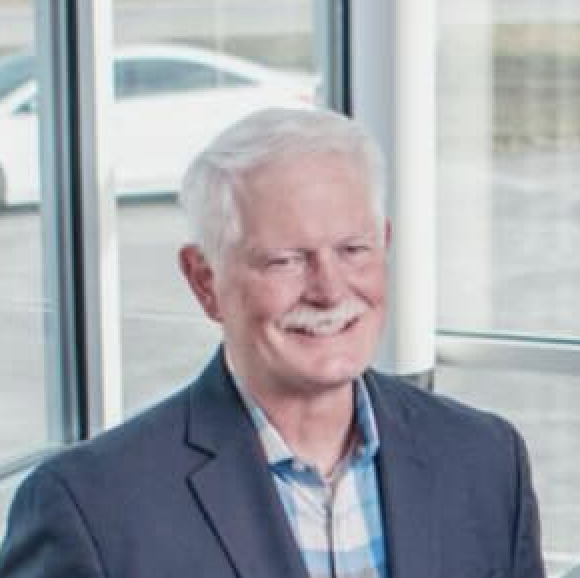
A Conversation with Lee Roland
Courageous Conversations Discussion Guide
Episode Summary
In this episode, Ray and Gary sit down with Lee Roland, a veteran educator who famously turned around a failing school in Oklahoma City. Lee shares the "secret sauce" of his success: moving from apathy to empathy through proximity. The conversation explores why we cannot solve problems we refuse to see, why our own flourishing is tied to the flourishing of our neighbors (even those we call "Pookie"), and why the church must lead the way in breaking down the walls of ignorance and indifference.
Key Takeaways
The Barrier of Apathy and Ignorance: Community stagnation is often caused by two things: people who don't care because it’s "not their neighborhood" (apathy) and people who simply don't know what they don't know (ignorance).
You Can’t Solve What You Won’t See: Lee challenged his staff to visit the homes of their students. Proximity changes the game; when you see the reality of a child’s life, your "knowledge" turns into "empathy," and your "empathy" turns into "action."
The "Pookie" Principle: We must be our brother’s keeper. If "Pookie" (the marginalized or underserved) doesn't have hope or a job, the whole community is at risk. A hopeless person has nothing to lose; giving hope to the marginalized is a benefit to everyone.
Don’t Grade Your Own Paper: We often think we are doing a great job of loving our neighbors, but Lee reminds us that we don't get to measure our own love. We have to ask the people on the receiving end if they actually feel loved by us.
The Innocence of Children: Lee shares a story of his grandson making a friend in the snow in five minutes. While adults spend years divided by walls, children connect naturally. We must fight to reclaim that innocence and willingness to connect.
Reflection Questions
1. Apathy vs. Ignorance Lee mentions that some people are "intentionally ignorant"—they see a problem but don't want to address it. In your own life or neighborhood, is there a "mess" you’ve been excusing or a reality you’ve been avoiding because it’s easier not to know?
2. The Proximity Challenge Lee’s staff saw a "game change" when they entered the homes of their students. Who is someone in your sphere of influence whose "home life" or daily reality is a mystery to you? How might seeing their world change how you serve or relate to them?
3. Grading Your Love If you were to ask your neighbor, a co-worker of a different background, or someone you disagree with politically, "Do you feel loved by me?", what grade do you think they would give you? Why is it dangerous to "grade our own paper" when it comes to the Great Commandment?
4. Being Your Brother's Keeper Lee argues that "the life you save might be your own" when you help others flourish. How does the success or failure of the "underserved" in Kansas City directly impact your own sense of flourishing and security?
Practical Next Steps
The "Home Visit" Mindset: This week, go to a part of the city or a neighborhood you usually avoid or drive past. Don't go to "fix" anything—just go to see, to eat at a local restaurant, and to observe the image of God in a different setting.
The Love Audit: Identify one person in your life who is significantly different from you. Ask them a courageous question: "How can I be a better neighbor/friend to you?" Listen to their answer without defending your "grade."
Support Literacy: Lee and the hosts discussed the "Read KC" initiative. Look for a local school or literacy program where you can volunteer or donate resources. Remember: "You can't solve what you don't see."
Closing Thought
"We don't have a knowledge problem; we have a willingness problem. America’s future depends on us working together. If you don't feel compelled to be your brother's keeper, remember that the life you save might just be your own."