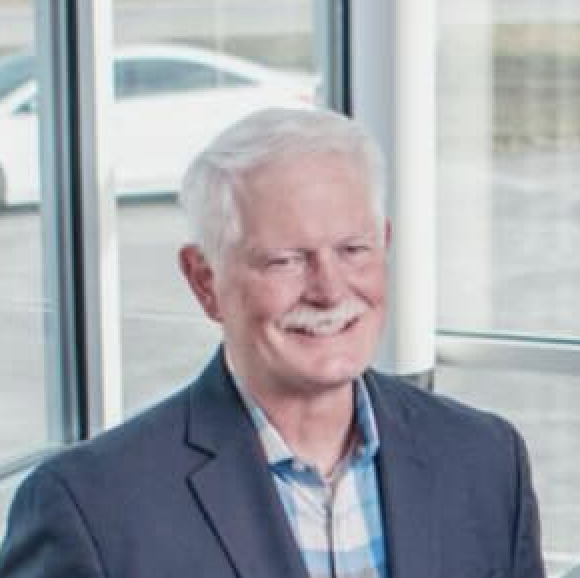
Foundations: Why We Entered this Work
Personal stories of race, faith, and the moments that shaped Unite KC
Courageous Conversations Study Guide
Episode Overview
In this Foundations episode, hosts Ray Jarrett and Gary Kendall step back from interviewing guests to share their own origin stories. Through childhood memories during the civil rights era, painful experiences in Christian school, cross-cultural friendships, moments of fear and courage, and unexpected leadership opportunities, they trace how God uses lived experience to form conviction and calling.
Key Question: What experiences has God used in your life to prepare you for the work He's calling you to do?
Part 1: Personal Reflection (15-20 minutes)
Opening Prayer: Ask God to help you see your own story with fresh eyes—the moments of pain, confusion, joy, and growth that have shaped who you are and prepared you for what He's calling you to do.
Reflect on These Questions:
1. Your Origin Story
What are your earliest memories related to race, diversity, or cross-cultural relationships?
Were these experiences positive, negative, neutral, or a mix?
How did your family, church, or community shape your early understanding of race and unity?
2. Moments That Shaped You
Gary shares multiple formative experiences: loving relationships with Brother and Sister Brazil, witnessing a racial fight in high school, being punched on a bus in Houston, having a knife pulled on him twice, and intervening to stop a beating.
Ray describes living through the assassinations of Dr. King and JFK, experiencing daily racism in Christian school, being denied valedictorian unjustly, and having his corporate advancement blocked despite his qualifications.
What moments in your life—positive or negative—have shaped your understanding of justice, unity, or loving your neighbor?
3. Naivete and Awakening
Gary describes growing up "naive" in Alaska, not understanding racial divisions until high school. He says, "I wasn't aware of culture or the other kinds of problems surrounding black and white issues in those days. I just knew that there wasn't any reason that we needed to be divided."
When did you first become aware that race was a "problem" in America? What prompted that awakening?
Have you ever been accused of being naive about racial issues? How did that feel? How did you respond?
4. Fear and Courage
Both Ray and Gary describe moments of genuine fear—physical danger, social rejection, career consequences, and feeling "out of their element."
What fears come up for you when you think about engaging in conversations or work related to race, justice, or unity?
Where have you seen God give you courage to step into something uncomfortable or unfamiliar?
Part 2: Group Discussion (30-40 minutes)
Discussion Guidelines:
Listen with curiosity, not judgment
Share from your own experience
Honor different perspectives
Ask clarifying questions
Commit to confidentiality
Remember: this is about learning, not winning
Question Set 1: The Power of Relationships
Gary's first experience with racial unity was through Brother and Sister Brazil—a Black couple in his small Alaskan church who made the best biscuits, played piano, sang with a deep baritone voice, and were "very close with our family." He says, "For all practical purposes, I didn't have a conscious that there was any differences other than the fact we were different colors."
How have cross-cultural friendships shaped your understanding of race and unity?
Gary says, "Everyone could have a brother and sister Brazil in their life... or could have a Gary and Bull and a Kendall in their life, who people who admittedly we see color, but it's not a hindrance. It's actually, I think that we're better together."
Do you have friendships like this? If so, how have they enriched your life?
If not, what barriers (geographic, social, fear, etc.) have prevented these relationships from forming?
Why do you think genuine cross-cultural friendships are so powerful in breaking down prejudice and building unity?
Question Set 2: Being "Out of Your Element"
Gary describes multiple situations where he was "out of his element"—on a bus in Houston, on a porch with an angry father, surrounded by gang members in a park, refereeing Black girls' basketball. In each situation, he had to learn, adapt, and sometimes just survive.
Ray describes being one of the only Black students in a Christian school, experiencing daily racism, and later being the only Black person in corporate settings where he had to learn "how the game was played."
When have you been "out of your element" in a cross-cultural setting? How did it feel?
Gary's instinct when punched on the bus was "don't do anything in retaliation... I was aware I was out of my element." What wisdom is there in recognizing when you're out of your element?
Ray says his father taught him: "You can cry, you can complain, and you can go be poor, or you can play with the cards that you were dealt." How do you respond to this perspective? Is it empowering, discouraging, or both?
What's the difference between "playing the game" (adapting to survive and succeed) and compromising your values?
Question Set 3: The Pain of Injustice
Ray shares painful experiences: daily use of the N-word in Christian school, being denied friendships and dating relationships, one-sided fights, being denied valedictorian despite earning it, and having his career advancement blocked in corporate America despite his qualifications.
Gary witnesses and intervenes in violence, has weapons pulled on him, and sees systemic injustice up close.
How do you respond emotionally to Ray's experiences in Christian school? What does it reveal about the gap between Christian profession and Christian practice?
Ray says at the end of high school: "Somebody needs to do something about this." But he felt "powerless." Have you ever felt this tension between seeing injustice and feeling powerless to change it?
Gary says about his experiences: "None of those scary and as hard as those were... what it did do inside of me was where I started out not thinking there was a problem, it just made me realize it really is a problem. And if we don't do something about it, it'll only get worse."
How do painful experiences either motivate us toward action or cause us to withdraw?
What determines which direction we go?
Question Set 4: Unlikely Leadership
Gary tells the story of the mayor asking him to start a Hispanic coalition in Olathe—despite Gary being white and admittedly unprepared. When challenged by Sonja ("Why in the blank did the mayor ask you?"), Gary responds honestly: "I have no idea... You are completely unprepared... you're a hundred percent right. But I do have something you don't have... a friendship with the mayor."
Ray describes being asked to lead Unite KC the Monday after retiring from business—right after George Floyd's murder. Jeremiah told him: "You just gotta remember in your prayers you can't say no."
Have you ever been asked to do something you felt completely unprepared for? How did you respond?
Gary's offer to the Hispanic leaders: "I will do my best to advocate for you and keep the door open until you as a group can organize in a way you can prove you deserve to be at the table." What's powerful about this approach?
What does it mean to use your privilege, access, or favor to "open doors" for others?
Both Gary and Ray emphasize that they didn't have all the answers—they just had favor, relationships, and willingness. Why is this important to remember when we feel inadequate?
Question Set 5: "It's an Unwinnable War"
Gary addresses the objection some friends raise: "It's an unwinnable war, you know, you can't really do anything to make a difference."
His response: "I do understand... But what I would say is it does make a difference at least to one, you know, like start there... it's one day at a time, it's one choice at a time. It's one person at a time. And if you keep doing it, you're going to make a bigger difference by the end than you ever thought you would."
Do you ever feel like racial healing and unity is an "unwinnable war"? What contributes to that feeling?
How does Gary's "one person at a time" approach challenge or encourage you?
Ray adds: "The most important thing you can do is to help... show that type of deference and love to just the people in your circle and as you begin to do that your circle widens."
Who is in your current circle?
How might showing "deference and love" to them widen your circle over time?
Part 3: Practical Application (20-25 minutes)
The "Tell Your Story" Challenge
Gary says: "I would just encourage you to tell your own stories... I think storytelling is one of the things that draws people together. And that's part of the benefit of this podcast."
Individual Commitments:
1. Write Your Origin Story (This Week):
Take 30-60 minutes this week to write out your own origin story related to race, justice, and unity. Use these prompts:
Early Memories: What are your earliest memories related to race or diversity?
Formative Experiences: What moments (positive or negative) shaped your understanding?
Awakening Moments: When did you first realize race was a "problem" in America?
Relationships: Who are the people who have taught you, challenged you, or walked with you?
Pain Points: Where have you experienced or witnessed injustice?
Calling: How might God be using your story to prepare you for something He's calling you to do?
2. Share Your Story (This Month):
Identify one person you trust and share your origin story with them. This could be:
A friend from a different racial or cultural background
Someone in your small group or church
A family member who might not know your full story
A mentor or pastor
After sharing, ask them: "What's your story?" and listen.
3. Identify Your "One Person" (Ongoing):
Gary emphasizes: "It does make a difference at least to one... start there."
Who is your "one person"? Who is someone in your circle right now that you can:
Show deference and love to
Learn from
Advocate for
Build a deeper friendship with
Write their name down. Pray for them. Take one concrete step this week to invest in that relationship.
Group Commitments:
1. Story Circle: Dedicate your next group meeting to sharing origin stories. Give each person 10-15 minutes to share their story without interruption, then allow 5 minutes for clarifying questions (not debate or correction—just curiosity).
2. "Out of Your Element" Experience: As a group, plan an experience where you'll be "out of your element" together:
Attend a worship service at a church from a different cultural background
Volunteer with a ministry serving a community different from your own
Host a meal where you invite people from different backgrounds to share their stories
Attend a Unite KC event (Walk for Unity, training, etc.)
3. Read and Discuss: Gary mentions reading "at least one book a year that really was maybe written from a different vantage point." As a group, choose one book to read together and discuss. Some suggestions:
The Color of Compromise by Jemar Tisby
Be the Bridge by Latasha Morrison
Divided by Faith by Michael Emerson and Christian Smith
The Cross and the Lynching Tree by James Cone
White Awake by Daniel Hill
4. Prayer Partners: Pair up across racial or cultural lines (if your group has diversity) or commit to praying for someone outside your usual circle. Pray specifically:
For courage to have courageous conversations
For wisdom to know when to speak and when to listen
For healing from past wounds related to race
For unity in the body of Christ and in your city
Part 4: Going Deeper (Optional Extended Study)
Biblical Foundation for Origin Stories and Calling:
Read and discuss these passages in light of Ray and Gary's origin stories:
1. Exodus 2:11-15; 3:1-12 - Moses' origin story
Moses witnesses injustice against his people (the Hebrews)
He intervenes violently and has to flee
Decades later, God calls him back to lead his people to freedom
Moses feels inadequate: "Who am I that I should go?"
God's response: "I will be with you"
Discussion: How does Moses' story parallel Ray and Gary's journeys? How does God use our past experiences—even painful ones—to prepare us for future calling?
2. Esther 4:12-14 - "For such a time as this"
Esther is in a position of privilege and access (queen)
Her people (the Jews) face genocide
Mordecai challenges her: "Who knows but that you have come to your royal position for such a time as this?"
Discussion: How did Gary's friendship with the mayor position him "for such a time as this" with the Hispanic coalition? How did Ray's business success and cross-cultural experience position him to lead Unite KC?
3. Acts 9:1-19 - Paul's conversion and calling
Paul (Saul) was a persecutor of Christians
God dramatically intervenes and calls him to be an apostle to the Gentiles
God uses Paul's background (Roman citizen, Pharisee, educated) for Kingdom purposes
Discussion: How does God redeem and repurpose our past—even the painful or shameful parts—for His purposes?
4. 2 Corinthians 1:3-7 - Comfort to comfort others
"The God of all comfort, who comforts us in all our troubles, so that we can comfort those in any trouble with the comfort we ourselves receive from God."
Discussion: How have Ray and Gary's painful experiences positioned them to comfort and advocate for others? How might your painful experiences be preparation for ministry?
5. Philippians 2:1-11 - The mind of Christ
"Do nothing out of selfish ambition or vain conceit. Rather, in humility value others above yourselves."
Jesus "made himself nothing... he humbled himself"
Discussion: Gary describes being "woefully unprepared" and having to humble himself to learn. Ray describes "swallowing your pride" to succeed in business. How is humility essential to the work of racial healing and unity?
Theological Reflection:
The Doctrine of Providence
Both Ray and Gary's stories reveal God's providence—His sovereign guidance and care throughout their lives, preparing them for their current calling.
How do you see God's hand in your own story, even in the painful parts?
What does it mean to trust that "God works all things together for good" (Romans 8:28) when we've experienced injustice or suffering?
The Imago Dei (Image of God)
Ray's experiences of being dehumanized, called the N-word, denied opportunities, and treated as "less than" are violations of the image of God in him.
How does understanding that every person bears God's image change how we view racism and injustice?
What does it mean to "see" and "honor" the image of God in people who are different from us?
The Call to Lament
Both Ray and Gary describe moments of grief, anger, and feeling overwhelmed by injustice.
How is lament (honest expression of pain and injustice to God) different from complaining or giving up?
Read Psalm 13, Psalm 22, or Lamentations 3. How do these biblical laments give us permission to bring our pain to God?
How can lament be a step toward healing and action rather than despair?
Part 5: The "Clock" Illustration
Ray and Gary reference a "clock" illustration to describe the journey toward cross-cultural competence:
1 o'clock: "You're even afraid to just say the word black or white, and you don't know anything about anything."
12 o'clock: "You're well-versed, you can talk to, you know, and even advocate for other groups of people."
Reflection Questions:
1. Where would you place yourself on this clock right now? (Be honest—no judgment!)
2. Where were you 5 years ago? 10 years ago? Have you moved around the clock?
3. What experiences, relationships, or learning have helped you move forward?
4. What fears, barriers, or lack of opportunity have kept you stuck?
5. Where do you want to be a year from now? What would it take to get there?
Important Note: The goal is not perfection or arriving at some finish line. The goal is growth, humility, and willingness to keep learning. Gary, despite decades of experience, still describes himself as learning and sometimes feeling inadequate. That's okay. That's the posture we need.
Part 6: Key Themes and Quotes
Theme 1: You Don't Have to Have All the Answers
"You are completely unprepared to do what you are asking." "You're a hundred percent right. But I do have something you don't have... a friendship with the mayor." - Sonja and Gary
"All they really had was favor, favor from the mayor, favor from God. And God did it. And that's the truth of it." - Gary
Application: Don't let feelings of inadequacy keep you from stepping into what God is calling you to do. Bring what you have—relationships, favor, willingness—and trust God with the rest.
Theme 2: Adversity is Part of the Journey
"When we decide we're going to advocate for justice... and we're gonna do it in a cross-cultural place, we just have to be ready for the fact that there's gonna be adversity." - Gary
"I realized that this was the opportunity to fight injustices, but more importantly, I knew from being in business with people of all different hues... I knew I could speak both sides of the fence." - Ray
Application: Expect difficulty. Expect to be misunderstood, criticized, or even threatened. But also know that God uses these experiences to prepare you and refine you.
Theme 3: Relationships Are the Foundation
"Everyone could have a brother and sister Brazil in their life... people who admittedly we see color, but it's not a hindrance. It's actually, I think that we're better together." - Gary
"The most important thing you can do is to help... show that type of deference and love to just the people in your circle and as you begin to do that your circle widens." - Ray
Application: Don't start with programs or initiatives. Start with people. Build genuine friendships. Learn from each other. Love each other. The rest will follow.
Theme 4: One Person, One Day, One Choice at a Time
"It does make a difference at least to one, you know, like start there... it's one day at a time, it's one choice at a time. It's one person at a time." - Gary
"Do one good thing." - Unite KC motto
Application: Don't be paralyzed by the enormity of the problem. Just do the next right thing. Love the person in front of you. Take one step. Then another. Then another.
Theme 5: God Uses Your Story
"God was getting my attention in a different way." - Gary
"Everything I've lived through, I ought to be able to... carry a sign or go give some money or something." - Ray (after George Floyd's murder)
"You just gotta remember in your prayers you can't say no." - Jeremiah to Ray
Application: Your story—all of it, the good and the painful—is not wasted. God is using it to prepare you for something. Pay attention to how He's been shaping you. Then say yes when He calls.
Closing Prayer (5 minutes)
Pray together as a group, incorporating these themes:
Gratitude: Thank God for the stories He's written in each of our lives
Lament: Bring before God the pain, injustice, and brokenness we've experienced or witnessed
Humility: Ask God to help us approach this work with humility, knowing we don't have all the answers
Courage: Pray for boldness to step into uncomfortable conversations and situations
Wisdom: Ask God to show us our "one person" and our "one good thing"
Trust: Surrender our inadequacy and fear to God, trusting that He will provide what we need
Unity: Pray for the body of Christ to come together across racial and cultural lines
Next Steps
1. Write your origin story this week (30-60 minutes)
2. Share your story with one person this month
3. Identify your "one person" and take one step to invest in that relationship
4. Subscribe, like, and share this podcast to help spread the message
5. Visit unitedkc.org to learn about upcoming events and ways to get involved
6. Plan your "out of your element" experience as a group
7. Choose a book to read together and discuss
Final Encouragement
Ray and Gary didn't start out as experts. They started out as people who:
Witnessed injustice and felt something rise up inside them
Built genuine cross-cultural friendships
Were willing to step into uncomfortable situations
Made mistakes and learned from them
Said "yes" when God called, even when they felt unprepared
Kept showing up, one day at a time, one person at a time
You can do the same.
Your story matters. Your experiences—even the painful ones—are not wasted. God is preparing you for something. The question is: Will you say yes?
"There's really no telling the good that you can do if you'll be willing to try." - Gary Kendall
For more information, resources, and to connect with the Unite KC community, visit unitedkc.org
This study guide is designed to facilitate meaningful conversations about race, faith, and unity. Feel free to adapt it to fit your group's needs and context.
Remember: The goal is not perfection. The goal is progress. One person. One day. One choice at a time.