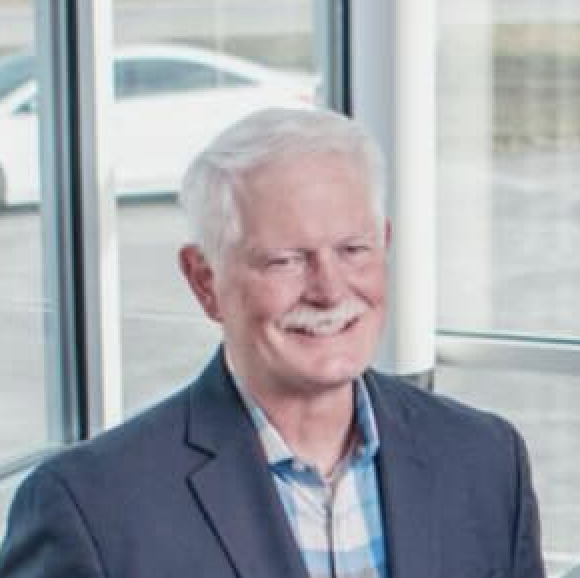
Breaking Barriers with Dr. Greg Ealey
Learnings from Thriving as a Black Man Surrounded by White People
Courageous Conversations Study Guide
Episode Overview
In this episode, Dr. Reverend Greg Ealy—campus pastor at Colonial Presbyterian Church and founder of Kingdom Oneness—shares his journey of thriving as a Black man in predominantly white environments. From being bused to an all-white school as a child in Austin, Texas, to pastoring a mostly white congregation in Kansas City, Greg’s story is one of resilience, bridge-building, and hope. He unpacks the difference between lament and repentance, the importance of building trust, and how true unity reflects God’s plan for the church and the city.
Key Themes & Quotes
Navigating Two Worlds:
“All day I had to learn how to exist in an all-white environment. Then I rode the bus home and fought my way back into my neighborhood for talking white.” (Greg Ealy)The Cost and Power of Lament:
“Lament is me sitting with you in your pain and understanding where you come from and what you’ve gone through. I may not have done it, but I’m here to be with you where you are.” (Greg Ealy)Building at the Speed of Trust:
“We move at the speed of trust.” (Gary Kendall, 11:28)Kingdom Oneness:
“Oneness in Christ is now one of our church values.” (Greg Ealy)The Work of Racial Healing:
“You may think that you can do this work without the commandments of Christ but you can’t.” (Ray Jarrett, 13:53)
Discussion Questions
1. Personal Experience:
Greg describes what it was like to be the only Black student in gifted classes and later, a Black pastor in a white church. Have you ever felt like “the only one” in a space? How did that shape your perspective?
2. Lament vs Repentance:
What is the difference between lament and repentance, according to Greg?
Why is lament essential for building bridges and lasting relationships in the work of racial healing?
3. Building Trust:
The group discusses “moving at the speed of trust.” What does this mean in the context of racial reconciliation?
How can we prioritize relationship-building over simply “doing” or taking action?
4. Church & Neighborhood:
Greg’s church is working to reflect the diversity of its neighborhood. Why is it important for churches (or organizations) to look like the communities they serve?
What are some practical steps your community could take to become more inclusive?
5. Kingdom Oneness:
What does “Kingdom Oneness” mean to you?
How can faith communities lead the way in modeling unity across racial, cultural, and economic lines?
Activities & Next Steps
Reflect on Your Circles:
Take inventory of the diversity in your own life—work, worship, neighborhood. Where are you building bridges? Where could you start?Practice Lament:
Set aside time in your group to listen to stories of pain or injustice without trying to fix or explain—just be present.Build Trust:
Commit to regular, honest conversations with people from different backgrounds. Focus on relationship before action.Engage with Kingdom Oneness:
Learn more about the Kingdom Oneness ministry at Colonial Presbyterian or similar efforts in your city. Consider how your faith community can pursue oneness.Serve Together:
Volunteer with organizations that address homelessness, education, or racial healing in your city. Look for ways to serve alongside people from different backgrounds.
Additional Resources
About the Guest
Dr. Reverend Greg Ealy is campus pastor at Colonial Presbyterian Church in Kansas City, founder of the Kingdom Oneness ministry, and former pastor of Paseo Baptist Church. He has been a core leader in Kansas City’s racial healing and city unity movement for over a decade and serves on the Unite KC leadership team.
About Courageous Conversations
A podcast from Unite KC exploring race, faith, and what it truly means to love our neighbor. Each episode features honest conversations with friends and leaders from across Kansas City.