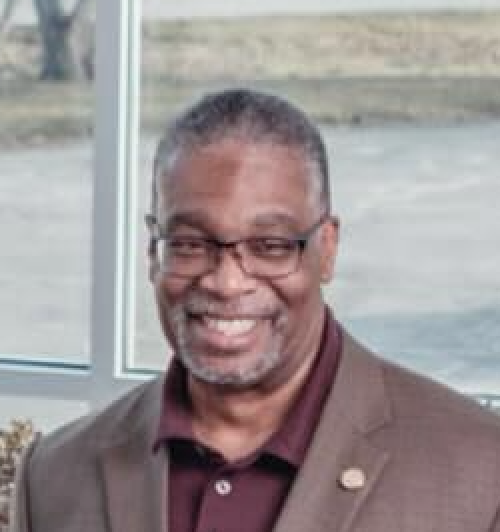
Beyond Baseball: Dayton Moore on Developing Culture
Leadership, Unity, and the Lessons of the Game
Courageous Conversations Study Guide
Episode Overview
In this episode of Courageous Conversations from Unite KC, hosts Ray Jarrett and Gary Kendall sit down with Dayton Moore, former General Manager of the Kansas City Royals and Unite KC board member. The conversation explores leadership principles, the power of unity across racial and cultural divides, and the practical application of faith in building community. Moore shares insights from building the Urban Youth Academy, leading diverse teams, and his philosophy of servant leadership rooted in the teachings of Jesus.
Key Themes & Discussion Questions
Theme 1: The Power of Shared Purpose
(Timestamp: 06:07-09:00)
Key Quote: "They understand most importantly that all their success is tied together and they need one another to be successful. They can't do it by themselves."
Discussion Questions:
Moore describes how baseball teams unite people from vastly different backgrounds through a shared purpose. What "shared purposes" exist in your workplace, church, or community that could serve as unifying forces?
He states, "We're different by design. God made us different." How does viewing differences as intentional design rather than obstacles change how we approach diversity?
In what ways have you experienced the truth that "success is tied together" in your own life or leadership?
Application Challenge:
Identify one diverse group you're part of (work team, church committee, neighborhood association). This week, initiate a conversation with someone different from you about what you both hope to accomplish together.
Theme 2: Bridging Divides Through Understanding
(Timestamp: 11:36-14:39)
Key Quote: "How can we make sure that your children, your grandchildren, don't feel this way?"
Discussion Questions:
Moore faced resistance from both urban and suburban communities when building the Urban Youth Academy. How did his approach of asking "why do you feel this way?" demonstrate servant leadership?
He says, "When people's stories get a chance to be told, that's when you start developing the compassion and the empathy." Who in your life has a story you haven't fully heard? What's preventing you from asking?
Moore admits, "I've always seen color... I notice people's differences and I gravitate towards those differences." How does this contrast with the common phrase "I don't see color"? Which approach do you think is more helpful for genuine unity?
Application Challenge:
This week, ask someone from a different background than yours: "What has your experience been like in [this community/workplace/city]?" Listen without defending or explaining. Simply seek to understand.
Theme 3: Leadership Through Servant-Heartedness
(Timestamp: 25:35-27:38)
Key Quote: "Leadership begins and ends with putting others first... You got to want the exact same thing for other people's children as you want for your own."
Discussion Questions:
Moore identifies Jesus as "the greatest leader of all time" and emphasizes looking at people's hearts. How does this perspective challenge conventional leadership models focused on metrics and performance?
He states that effective leaders must "model" the culture they want to create. What specific behaviors are you modeling in your sphere of influence? Are they creating the culture you desire?
Moore says leaders need people around them "willing to hold you accountable when your flesh takes over." Do you have these people in your life? If not, what steps could you take to develop these relationships?
Application Challenge:
Identify one person in your life who needs encouragement or support. This week, take a concrete action to "put them first" - whether through time, resources, or advocacy.
Theme 4: Moving Toward Pain, Not Away From It
(Timestamp: 14:53-15:27)
Key Quote (Gary): "If I'm not willing to kind of take the hardest thing someone says, receive it and thank them for it, then they're not going to trust me for the next thing they want to say."
Discussion Questions:
Gary describes "moving toward pain" when someone expresses hurt or frustration. Why is this so difficult? What fears prevent us from doing this?
Moore shares that some community members said, "We don't want white people from the suburbs down here." How did his response of seeking to understand rather than defend demonstrate courage?
Think of a time when someone expressed pain or frustration toward you or your community. How did you respond? What would "moving toward the pain" have looked like?
Application Challenge:
The next time someone expresses frustration or criticism (especially about race, culture, or community issues), resist the urge to defend. Instead, ask: "Help me understand why you feel this way. What has your experience been?"
Theme 5: Good vs. Evil, Not Black vs. White
(Timestamp: 24:04-24:58)
Key Quote: "It's not about black versus white, it's about good versus evil."
Discussion Questions:
How does reframing racial issues as "good versus evil" rather than "black versus white" change the conversation? What does this reframing make possible?
Moore credits Jeremiah (from the Culture House) with this insight. How does this demonstrate the importance of listening to diverse voices in our communities?
In what practical ways can we fight against evil (injustice, inequality, division) rather than against people?
Application Challenge:
Identify one issue in your community where people are divided along racial or cultural lines. Reframe it: What is the "evil" (injustice, inequality, lack of opportunity) that people on all sides could unite against?
Personal Reflection Questions
On Unity: Moore describes how baseball teams learn to "accept people's different religions, different lifestyles, different upbringings" through spending time together. Where in your life are you spending meaningful time with people different from you?
On Blind Spots: Moore says Unite KC helps "uncover blind spots." What blind spots might you have about people from different racial, economic, or cultural backgrounds?
On Authenticity: Moore emphasizes that "we all want to be loved, respected, have value, have input, and provide for our families." How does recognizing these universal desires change how you view people who seem different from you?
On Leadership: Moore states, "Whatever you want your culture to look like as the leader, you need to model it." What culture are you creating in your home, workplace, or community? Are you modeling it?
On Faith in Action: Moore roots his leadership philosophy in the teachings of Jesus, particularly servant leadership. How does your faith (or values system) inform how you treat people different from you?
Group Activity: The Strength Inventory
Purpose: To practice Moore's principle of "identifying people's strengths" rather than focusing on weaknesses.
Instructions:
Divide into pairs or small groups (ideally with people from different backgrounds)
Each person shares:
One strength of their cultural/racial background
One strength of a different cultural/racial community
One way these strengths could work together for community good
As a large group, discuss: What did you learn? What surprised you?
Moore's Insight: "Leadership 101 is go around the room and identify people's strengths. Don't focus on their weaknesses... If I focused on my weaknesses, I wouldn't even get out of bed in the morning."
Action Steps: Living Out Unity
Based on this conversation, commit to ONE of the following this week:
Seek Understanding: Have a conversation with someone from a different background. Ask about their experience and simply listen.
Bridge Building: Identify one way you can help connect people from different communities (like Moore did with the Urban Youth Academy).
Servant Leadership: Identify someone who needs support and take concrete action to "put them first."
Model the Culture: Choose one characteristic you want to see in your community (generosity, grace, forgiveness) and intentionally model it this week.
Move Toward Pain: When you encounter criticism or frustration (especially about race or culture), resist defensiveness and ask questions to understand.
Scripture Connections
Moore references several biblical principles throughout the conversation. Here are key passages for further study:
Philippians 2:3-4 - "Do nothing out of selfish ambition or vain conceit. Rather, in humility value others above yourselves..."
Matthew 5:38-39 - Jesus' teaching on turning the other cheek
1 Samuel 16:7 - "The Lord looks at the heart"
Matthew 20:26-28 - Jesus on servant leadership
John 13:34-35 - Jesus' command to love one another
Reflection: How do these passages challenge conventional approaches to leadership and community building?
Closing Reflection
Moore's Challenge: "Being unoffendable isn't about being a doormat. It's about being so secure in God's love that nothing else can shake you. It's about choosing peace over being right."
Final Question: What would it look like for you to be a person who unites rather than divides in your sphere of influence?
Additional Resources
Learn about the Urban Youth Academy and its impact on Kansas City
Explore C You in the Major Leagues Foundation and their mentoring program
Connect with Unite KC on social media for ongoing conversations