Trigger Words: How Language Hurts—or Heals
Privilege, Prejudice, “I Don’t See Color,” and the Courage to Stay Curious
Courageous Conversations Study Guide
Episode Overview
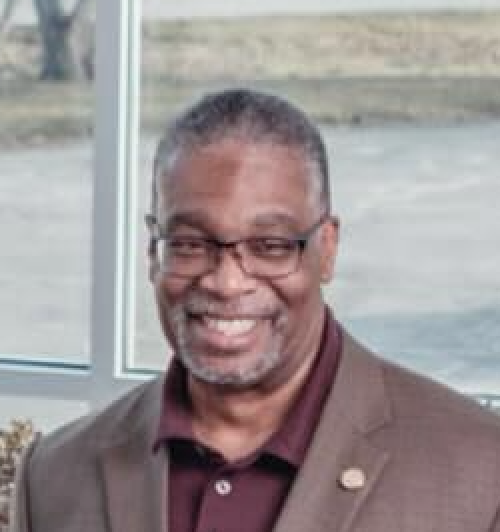
In this episode of Courageous Conversations from Unite KC, hosts Ray Jarrett and Gary Kendall tackle some of the most divisive and misunderstood words in conversations about race: privilege, prejudice, and "I don't see color." Through personal stories and honest dialogue, they explore why these words trigger strong reactions, what people really mean when they use them, and how we can move past defensiveness toward genuine understanding. Their central message: stay curious, ask questions, and don't let fear of saying the wrong thing keep you from building bridges.
Key Themes & Discussion Questions
Theme 1: Understanding "Privilege"
(Timestamp: 00:44-09:17)
Key Quotes:
"Whatever privilege you have, you have a responsibility." - Ray
"With great privilege comes great responsibility." - Gary
"I do think that there are times in life where some people have a greater advantage than other people. It isn't always because they're white." - Gary
Discussion Questions:
Gary describes a video exercise where students took steps forward or backward based on advantages they had (two-parent home, access to money, etc.). How does this visual help us understand privilege differently than just defining it as "white privilege"?
Ray's finance director told him, "Don't ever say I have white privilege because you've had way more privilege than I will ever have." What does this story reveal about the complexity of privilege beyond just race?
Gary says privilege isn't necessarily offensive but "an invitation to have a conversation." How can we shift from being defensive about privilege to being curious about what someone means when they use that word?
The hosts conclude that privilege equals responsibility. What privileges do you have (education, stable family, financial resources, connections, health) and how are you using them to serve others?
Application Challenge:
Make a list of 5-7 advantages you've had in life (could be family structure, education, health, location, connections, etc.). Then ask yourself: "How am I using these advantages to help others who may not have had the same opportunities?" Choose one concrete action this week to leverage your privilege for someone else's benefit.
Theme 2: The Problem with "Prejudice" as a Label
(Timestamp: 15:59-23:16)
Key Quotes:
"Most people fall into that area of blind spots... very few people that we encounter are prejudice, meaning that they are actively seeking the harm of another group of people." - Ray
"When you see or feel pain, move toward it." - Gary
"What do you gain? You don't gain using a word like that." - Ray
Discussion Questions:
Gary was accused of being prejudiced and had to resist the urge to defend himself by listing all the ways he works for racial harmony. Why is defensiveness such a natural response, and what does Gary do instead that's more productive?
Ray distinguishes between ignorance, fear, blind spots, misconceptions, and actual prejudice (actively seeking harm). Why is this distinction important? How does it change how we approach conversations?
The hosts suggest that calling someone "prejudiced" rarely builds a bridge. If you believe someone has harmful misconceptions or biases, what's a better approach than labeling them?
Gary says, "We all have a certain set of values, a worldview... If that's what you want to call prejudice, I could say we're all prejudiced at some level." How does acknowledging our own biases and worldviews help us approach others with more humility?
Application Challenge:
Think of someone whose views on race or culture you find problematic. Instead of labeling them, try this approach: "I'm curious about something you said. Can you help me understand what you meant by that?" or "What experiences have shaped how you see this issue?" Practice moving toward pain rather than away from it.
Theme 3: The Insult of "I Don't See Color"
(Timestamp: 30:24-36:19)
Key Quotes:
"I want you to see my color... I want you to understand how I was raised, what kind of school I went to... There's a whole bunch of good things and bad things that have happened to me because of my color." - Ray
"When you say I don't see color, you're actually wiping out what makes the other person the best part of who they are." - Gary
"It's really trying to take a shortcut to what needs to be a journey." - Ray
Discussion Questions:
Why do you think people say "I don't see color"? What are they trying to communicate? What message does it actually send?
Ray says that when someone claims not to see color, they're cutting off "a whole big chunk of the cake" of who he is. What parts of a person's identity and experience are we dismissing when we claim not to see their race or ethnicity?
Gary points out that saying "I don't see color" ignores culture, background, food, music, and history. How can we celebrate and honor someone's cultural identity rather than pretending it doesn't exist?
The hosts suggest that "I don't see color" is an attempt to take a shortcut to unity. What does the actual journey toward genuine cross-cultural friendship look like?
Application Challenge:
If you've ever said "I don't see color," reflect on what you were trying to communicate. This week, try a different approach with someone from a different background: "I'd love to learn more about your cultural background and what has shaped who you are. Would you be willing to share some of that with me?"
Theme 4: The Importance of Humility and Learning
(Timestamp: 26:33-30:18)
Key Quote: "It made me aware that there's a lot I don't know. And that part that I don't know is probably behind what some people are saying when they talk or feeling when they're expressing their feelings." - Gary
Discussion Questions:
Gary shares about watching a four-part documentary on the Jim Crow era and being shocked by how much he didn't know (like Black Wall Street). Why do you think so many Americans are unaware of significant parts of racial history?
He says this experience made him "more humble to say I really need to study more, read more, ask more questions." What role does humility play in cross-cultural conversations? How does arrogance or defensiveness shut down dialogue?
Ray suggests that if we could "go back and start over in the educational system about the history of America... there would be an awakening for our country." Do you agree? Why or why not?
Gary made a commitment to "regularly read books about racial harmony." What are you doing to educate yourself about experiences different from your own?
Application Challenge:
Commit to reading one book, watching one documentary, or listening to one podcast series about racial history or cross-cultural understanding in the next month. Some suggestions: Stamped from the Beginning by Ibram X. Kendi, The Color of Law by Richard Rothstein, or the documentary 13th on Netflix.
Theme 5: Don't Give Up - Keep Trying
(Timestamp: 36:00-37:50)
Key Quotes:
"I've heard many white people say, 'I'm just done trying... I've tried and it didn't work.' Well, that's a cop-out in my mind. Because as long as we're alive, there's opportunity." - Gary
"Give grace... I asked questions and they could have been offensive to them, but they gave me grace." - Ray
"Don't give up. Keep trying." - Gary
Discussion Questions:
Why do you think some people give up on cross-cultural relationships after a few difficult conversations? What fears or frustrations drive this response?
Ray shares that people gave him grace when he asked questions that could have been offensive during his time in a predominantly white school. How does extending grace create space for learning and growth?
Gary emphasizes the importance of having "a good friend of a different color, different nationality, different culture" to help navigate these conversations. Do you have friendships like this? If not, what steps could you take to develop them?
The hosts advocate for "courageous conversations" that require both courage and grace. What makes a conversation "courageous"? What role does vulnerability play?
Application Challenge:
If you've had a difficult cross-cultural conversation or relationship in the past, don't give up. Reach out to that person (or someone new) and say: "I know I may have said some things that didn't come out right, but I really want to understand your experience better. Would you be willing to give me another chance?" Then listen with humility.
Personal Reflection Questions
On Trigger Words: Which of the words discussed in this episode (privilege, prejudice, "I don't see color") triggers the strongest reaction in you? Why do you think that is?
On Assumptions: Ray points out that when people see him and Gary walking down the street, they make about 10 assumptions before either has opened their mouth. What assumptions do people likely make about you? What assumptions do you make about others?
On Curiosity: Gary emphasizes staying curious and asking "What do you mean by that?" rather than getting defensive. When was the last time you asked a clarifying question instead of reacting to something someone said?
On Responsibility: The hosts agree that privilege comes with responsibility. What specific responsibilities do you have based on the advantages you've been given?
On Grace: Ray talks about people giving him grace when he asked potentially offensive questions. When was the last time you extended grace to someone who said something clumsy or hurtful? When was the last time someone extended grace to you?
On Learning: Gary committed to regularly reading about racial harmony after watching a documentary that opened his eyes. What have you done recently to educate yourself about experiences different from your own?
Group Activity: The Privilege Walk Discussion
Purpose: To help participants understand privilege in a concrete, non-threatening way and discuss how to use advantages responsibly.
Instructions:
Part 1 - Individual Reflection (5 minutes): Each person privately answers these questions on paper:
Did you grow up in a two-parent household?
Did you have access to books and educational resources at home?
Could your family afford to send you to college without significant debt?
Do you have family members you could call for financial help in an emergency?
Have you ever been followed in a store or pulled over by police because of how you look?
Do you see people of your race/ethnicity positively represented in media and leadership?
Have you ever been told you got a job or opportunity because of your race?
Part 2 - Small Group Discussion (15 minutes): In groups of 3-4, discuss:
Which questions revealed advantages you hadn't thought about before?
Which questions revealed disadvantages or challenges?
How did this exercise make you feel?
What responsibilities come with the advantages you identified?
Part 3 - Large Group Debrief (10 minutes):
What insights emerged from your small group conversations?
How can we use our various privileges to serve others?
What did you learn about someone else's experience?
Key Insight from Episode: "Whatever privilege you have, you have a responsibility." This exercise isn't about guilt or shame - it's about awareness and action.
Action Steps: Moving Forward
Based on this conversation, commit to ONE of the following this week:
Practice Curiosity: The next time someone uses a word that triggers you (privilege, prejudice, woke, etc.), ask "What do you mean by that?" instead of reacting defensively.
Acknowledge Your Advantages: Make a list of privileges/advantages you have and identify one way you can use them to help someone this week.
Move Toward Pain: If someone expresses hurt or frustration about race or culture, resist the urge to defend yourself. Instead, ask questions to understand their experience.
Educate Yourself: Read one article, watch one video, or listen to one podcast about racial history or cross-cultural understanding.
Build a Bridge: Reach out to someone from a different background and invite them for coffee. Ask about their story and experiences.
Give Grace: If you've said something clumsy or hurtful in a cross-cultural conversation, apologize and ask for another chance. If someone has said something hurtful to you, consider extending grace and helping them understand.
See Color: Instead of claiming to be "colorblind," intentionally learn about and celebrate someone's cultural background this week.
Scripture Connections
While this episode doesn't explicitly reference scripture, these passages connect to the themes discussed:
James 1:19 - "Everyone should be quick to listen, slow to speak and slow to become angry" (on staying curious and not being defensive)
Philippians 2:3-4 - "In humility value others above yourselves, not looking to your own interests but each of you to the interests of the others" (on using privilege to serve)
Proverbs 18:13 - "To answer before listening—that is folly and shame" (on asking questions before reacting)
Luke 12:48 - "From everyone who has been given much, much will be demanded" (on privilege and responsibility)
Galatians 3:28 - "There is neither Jew nor Gentile, neither slave nor free, nor is there male and female, for you are all one in Christ Jesus" (on unity that honors rather than erases differences)
Reflection: How do these passages challenge or affirm the principles discussed in this episode?
Remember: When we talk, listen, and learn together, we move closer to uniting people, uniting neighborhoods, and uniting KC.