Go Underground: Perpetuating the Spirit of the Underground Railroad
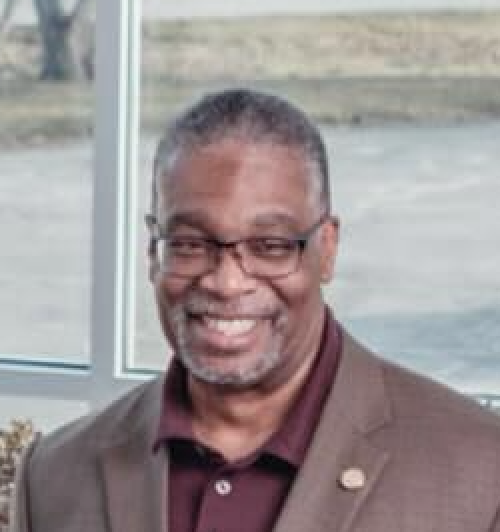
Jeremiah Enna talks about the heart behind the creation and history of the Underground Theatrical Performance.
Courageous Conversations Study Guide
Episode Overview
This episode explores how The Underground—a powerful dance production about the Underground Railroad—has become a catalyst for racial healing and unity in Kansas City. Jeremiah Enna shares the story behind creating this transformative work of art, its role in sparking honest conversations about race, and how it laid the groundwork for Unite KC. The conversation examines the intersection of faith, art, and social change, while addressing the ongoing challenge of overcoming what Jeremiah calls our "Stockholm syndrome relationship with racism."
The Stockholm Syndrome is a psychological phenomenon where hostages or abuse victims develop positive feelings, loyalty, or emotional bonds toward their captors or abusers. The term originated from a 1973 bank robbery in Stockholm, Sweden, where hostages defended their captors after being released.
Key Themes
1. The Power of Art to Transform Culture
The Underground demonstrates how excellent art can create space for difficult conversations and bring diverse communities together in ways that lectures or programs cannot.
2. The Gospel's Role in Ending Slavery
The abolition movement, driven by the Christian understanding that all people are made in God's image (Imago Dei), was essential to breaking the back of slavery worldwide—a historical reality often minimized in modern narratives.
3. Good vs. Evil, Not Black vs. White
The Underground Railroad story reveals that the fundamental conflict was between good and evil, with people of all races on both sides, challenging simplistic racial narratives.
4. Stockholm Syndrome and Racism
We have a tendency to maintain attachment to racism even while claiming to oppose it—whether through victim identity, superiority, or constant racial categorization that perpetuates division.
5. Identity in Christ vs. Surface Identities
Finding our primary identity as children of God and followers of Christ transforms how we relate to others, moving us from comparison and division to recognizing our shared humanity and spiritual family.
6. Sustained Effort vs. Episodic Response
Real progress requires daily commitment to building relationships and having conversations, not just responding to crisis moments that throw culture into upheaval.
7. Hope in the Next Generation
Young people growing up in diverse environments often naturally resist racial categorization, though they face pressure from cancel culture and identity politics to conform to racial boxes.
Discussion Questions
Opening Questions
Have you seen The Underground or similar artistic works that address difficult social issues? How did it impact you differently than reading about the same topic?
Jeremiah mentions that when he returned to America after years abroad, he was surprised by the racial language dominating conversations. What do you notice about how race is discussed in our current cultural moment?
Exploring the Themes
On Art and Culture:
Why do you think art (like The Underground) can be more effective than other approaches in bringing people together across racial lines?
Jeremiah emphasizes the importance of "world-class" art rather than "bad art" with a good message. Why does excellence matter when addressing important social issues?
On Historical Truth:
How does understanding the Christian foundation of the abolition movement change your perspective on faith's role in social justice?
Jeremiah notes that "humans love slavery" and that ending it required the gospel's influence. What does this reveal about human nature and the need for transformation?
On Identity and Division:
Gary discusses how finding identity in Christ changes how we relate to others. How have you experienced this in your own life or relationships?
Jeremiah describes a "Stockholm syndrome relationship with racism"—being attached to it even while claiming to oppose it. What might this look like in practice? Can you identify any ways you might be unknowingly perpetuating racial division?
On Moving Forward:
The conversation contrasts episodic responses (reacting to crises like George Floyd's murder) with sustained daily effort. What would sustained effort look like in your own sphere of influence?
Jeremiah observes that young people often ask "Who's making bank on this?" when it comes to racial division. What do you make of this perspective? What does it reveal about their generation's approach?
Practical Applications
This Week:
Examine your identity markers: List the ways you typically identify yourself (race, profession, political affiliation, etc.). How does "child of God" or "follower of Christ" rank on that list? What would change if you led with that identity?
Attend or support The Underground: If you're in Kansas City, experience this production and invite someone from a different background to join you. If you're elsewhere, seek out similar artistic works that address difficult topics with excellence.
Start a conversation: Use The Underground's "Go Deeper" small group guide (mentioned in the episode) to facilitate a conversation about race and reconciliation with friends, family, or your small group.
This Month:
Build cross-cultural relationships: Identify one person from a different racial or cultural background and intentionally invest in that friendship—not as a project, but as genuine relationship.
Examine your language: Pay attention to how you talk about race. Are you constantly categorizing people by race in ways that might perpetuate division? How might you "rinse out your language" as Jeremiah suggests?
Support reconciliation efforts: Get involved with Unite KC or similar organizations working toward racial healing in your community. Attend an event, volunteer, or simply learn more about their work.
This Year:
Study the history: Read books like Tom Holland's Dominion or Ayaan Hirsi Ali's work to understand how Christian values shaped Western concepts of human dignity, justice, and equality.
Mentor the next generation: If you work with young people, help them understand history while also affirming their natural inclination toward unity. Protect them from being forced into racial boxes while teaching them to value their heritage.
Create spaces for dialogue: Whether in your church, workplace, or neighborhood, create opportunities for people from different backgrounds to share stories and build relationships in non-crisis moments.
Biblical Foundations
Genesis 1:27 - "So God created mankind in his own image, in the image of God he created them; male and female he created them."
Application: The Imago Dei—that all humans bear God's image—is the foundation for human dignity and equality. This biblical truth drove the abolition movement and must continue to shape how we see and treat one another.
Galatians 3:28 - "There is neither Jew nor Gentile, neither slave nor free, nor is there male nor female, for you are all one in Christ Jesus."
Application: Our primary identity in Christ transcends all other categories. While we don't erase our distinct backgrounds, we recognize our fundamental unity as God's children.
John 13:34-35 - "A new command I give you: Love one another. As I have loved you, so you must love one another. By this everyone will know that you are my disciples, if you love one another."
Application: Jesus' command to love isn't just about feelings—it's about action, sacrifice, and choosing unity even when it's costly, as the Underground Railroad conductors demonstrated.
Ephesians 2:14-16 - "For he himself is our peace, who has made the two groups one and has destroyed the barrier, the dividing wall of hostility... His purpose was to create in himself one new humanity out of the two, thus making peace."
Application: Christ's work on the cross wasn't just about individual salvation—it was about breaking down the walls that divide humanity and creating one new family.
Matthew 5:9 - "Blessed are the peacemakers, for they will be called children of God."
Application: Working for racial reconciliation and unity isn't optional for Christians—it's part of our calling as peacemakers who reflect our Father's character.
Reflection & Action Steps
Personal Reflection:
Where do I find my primary identity? How does that shape my relationships with people different from me?
In what ways might I be unknowingly attached to racial division or categorization, even while claiming to oppose racism?
What fears or discomfort arise when I think about having honest conversations about race? What might God be inviting me to address?
Conversation Starters:
"I recently learned about The Underground and how the Christian faith drove the abolition movement. What do you know about that history?"
"I've been thinking about how we find our identity. What would change if we saw ourselves primarily as children of God rather than by our race, politics, or profession?"
"How can we move from just reacting to racial crises to building sustained relationships and making daily progress?"
Group Activity:
Watch The Underground together (if in Kansas City) or find a similar artistic work that addresses racial history and reconciliation. Afterward, use these questions:
What surprised you?
What made you uncomfortable? Why?
What did you learn that you didn't know before?
What is one thing you can do differently as a result?
Going Deeper
Recommended Resources:
The Underground - Annual performance at Kauffman Center for the Performing Arts, Kansas City
"Go Deeper" Small Group Guide - Four-session study guide based on The Underground (available through The Culture House)
Tom Holland's Dominion - Explores how Christianity transformed the West and shaped modern values
Ayaan Hirsi Ali's conversion story - Former atheist's journey to Christianity and its impact on her understanding of human dignity
The Culture House - Jeremiah Enna's arts organization (theculturehouse.org)
For Further Study:
Research the history of the Underground Railroad in your area
Study the lives of abolitionists like William Wilberforce, Harriet Tubman, and Frederick Douglass
Explore how the gospel has historically driven social reform movements
Learn about current efforts toward racial reconciliation in your community
Closing Prayer
Lord, thank you for the power of art to move our hearts and open our eyes to truth. Thank you for the courage of those who risked everything to help enslaved people find freedom. Help us to find our primary identity in You, as Your beloved children, and to see others through Your eyes—as image-bearers worthy of dignity and love.
Break any attachments we have to division, whether through superiority, victimhood, or constant categorization. Give us courage to have honest conversations, wisdom to build genuine relationships, and perseverance to work for unity not just in crisis moments but every day.
Raise up a generation that naturally resists racial division and help us to support them. May Your church lead the way in demonstrating that in Christ, we are one family. Use us as peacemakers who reflect Your heart for all people. In Jesus' name, Amen.
Remember: Real change happens through sustained relationships and daily choices, not just episodic responses to crises. Start where you are, with the people around you, and trust God to multiply your faithful efforts toward unity and healing.