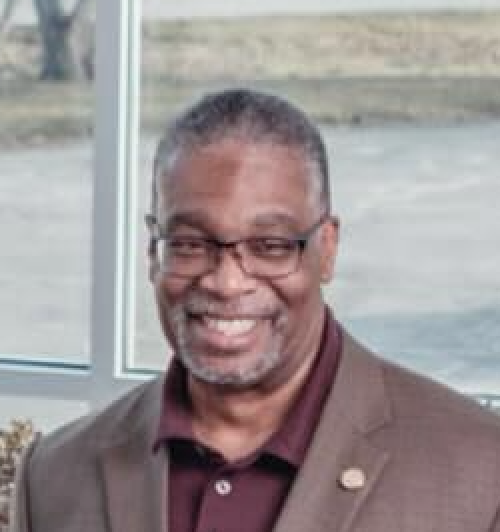
Hope Center: Building a Neighborhood Where the Vulnerable Flourish
A Conversation with Marvin Daniels
Courageous Conversations Study Guide
Episode Overview
This episode explores how The Hope Center transformed from a simple youth program into a comprehensive community development organization that is revitalizing entire city blocks in Kansas City. Marvin Daniels shares his 40-year journey in urban ministry across the country and explains the revolutionary approach of "community exegesis"—assessing existing resources and building relationships before launching programs. The conversation examines the radical shift from enabling families to empowering them, the importance of holding joy and lament simultaneously, and the "Five E's" that define true neighborhood flourishing. Marvin's story reveals how sustained, long-term commitment—not episodic responses to crises—creates lasting transformation in vulnerable communities.
Key Themes
1. Community Exegesis: Relationship Before Program
Effective community change starts with assessing what already exists—the resources, the burdens, the leaders—without arriving with a "Messiah complex." Trust is built by meeting with local pastors, agencies, and neighbors to listen before offering solutions.
2. The Risk of Empowerment vs. Enabling
Sustainable community transformation requires families to lead, not just participate. By stopping services like bus transportation and requiring parents to bring their children to programs, The Hope Center shifted from enabling to empowering, making family engagement their greatest organizational strength.
3. Holistic Neighborhood Transformation (The Five E's)
True flourishing is measured by five markers: Economics (livable wages), Environment (safety), Ecclesia (vibrant, entrenched churches), Education (mentorship-based learning), and Engagement (respectful relationships between youth and authority figures).
4. Connecting Faith and Life: Lament and Joy
In volatile community contexts, believers must be able to celebrate graduations and successes while simultaneously lamenting tragedies like neighborhood violence, using the Gospel to bridge the gap between faith and reality.
5. Consistent Dignity for Every Person
Inspired by a "three-encounter" experience at McDonald's (helpful, indifferent, dismissive), Marvin emphasizes that every person who steps onto a campus should experience the same level of dignity and love, regardless of their background or the complexity of their needs.
6. Intergenerational Mentorship
Through initiatives like "Men's Frat," men ages 22 to 73 gather to reject passivity, lead courageously, accept responsibility, and invest eternally, proving that discipleship happens best around a shared table.
7. The 15-Year Vision vs. Episodic Response
Marvin arrived in Kansas City with a long-term perspective. Real transformation isn't a "token" project; it requires a decade-plus commitment to "digging" and staying present through the hard years of fundraising, resistance, and slow progress.
Discussion Questions
Opening Questions
1. Marvin mentions daydreaming as a child in Brooklyn about where the planes were going. What were your early "daydreams" or callings regarding your community or city?
2. Have you ever visited The Hope Center or a similar "oasis of hope" in an urban setting? What was your first impression of the atmosphere and the work being done there?
Exploring the Themes
On Community and Leadership:
3. Marvin speaks against the "Messiah complex"—the idea that outsiders can "save" a community. Why is it tempting for well-meaning people to want to be the hero rather than a partner?
4. How does the concept of "community exegesis" (listening first, assessing existing resources) change the way we approach social justice, ministry, or community development?
On Empowerment and Family:
5. The Hope Center took a huge risk by asking families to bring their own kids to programs instead of providing bus service. In what areas of your life might you be "enabling" others when you should be "empowering" them?
6. Marvin says, "You will never have sustainable community by youth alone. It requires families." Why is family engagement so critical to long-term transformation?
On Faith and Flourishing:
7. Of the "Five E's" (Economics, Environment, Ecclesia, Education, Engagement), which do you feel is the most critical "lane" for your specific neighborhood or city right now?
8. Marvin shares a story of celebrating a graduation and then facing a shooting on the same block. How do you personally navigate the tension between the "joys of the gospel" and the "reality of lament"?
On Moving Forward:
9. The "McDonald's story" highlights the need for consistent dignity. How can we ensure that our organizations, churches, or workplaces provide a uniform experience of love and respect to everyone we encounter?
10. Marvin describes The Hope Center as "adulting" at 27 years old. What does organizational or spiritual maturity look like to you? How do we move from "cute vision statements" to actual, measurable transformation?
Practical Applications
This Week:
Practice "Community Exegesis": Identify one person in your sphere of influence (a neighbor, a coworker, or a local leader) whose story you don't fully know. Schedule a time to listen to their burdens and joys without offering a "program" or a solution.
Examine Your Posture: Reflect on your volunteer work or service. Are you acting with a "Messiah complex," or are you seeking to be a "tentacle" (not THE tentacle) that collaborates with others?
Consistent Dignity: Intentionally offer the same level of respect, eye contact, and kindness to everyone you encounter this week—from the CEO to the person working the drive-thru.
This Month:
Support Holistic Efforts: Identify a local organization (like The Hope Center or Unite KC) that focuses on comprehensive development rather than just episodic relief. Find a way to contribute your time, talent, or treasure.
Engage the "Five E's": Pick one of the five markers (e.g., Education or Environment) and research the specific needs in your zip code. What is the median income? Are the schools accredited? What does safety look like?
Reject Passivity: If you are a man, look into "Men's Frat" or a similar group that focuses on leading courageously and accepting responsibility. If you are a woman, consider how these principles apply to your life and identify a mentorship or accountability relationship to pursue.
This Year:
Develop a Long-Term Vision: Marvin came with a 15-year journey in mind. Write down a 5-to-10-year vision for how you want to see your neighborhood, workplace, or church flourish. What "digging" needs to start today?
Build Intergenerational Relationships: Intentionally seek out a mentor or a mentee who is at least 20 years older or younger than you to "chop it up" and share life lessons.
Invest Eternally: Evaluate your budget and schedule. How much of your resources are going toward "memories made out of moments" and eternal kingdom work versus temporary fixes or episodic responses?
Biblical Foundations
Jeremiah 29:7 - "Also, seek the peace and prosperity of the city to which I have carried you into exile. Pray to the Lord for it, because if it prospers, you too will prosper." Application: We are called to be entrenched in our specific neighborhoods, recognizing that our own flourishing is tied to the flourishing of our neighbors.
Isaiah 58:12 - "Your people will rebuild the ancient ruins and will raise up the age-old foundations; you will be called Repairer of Broken Walls, Restorer of Streets with Dwellings." Application: Comprehensive community development—rebuilding houses, gardens, schools, and healthcare centers—is a biblical mandate to restore hope to neglected areas.
Matthew 25:40 - "The King will reply, 'Truly I tell you, whatever you did for one of the least of these brothers and sisters of mine, you did for me.'" Application: Serving the vulnerable through healthcare, education, housing, and safe spaces is a direct expression of our love for Christ.
James 1:27 - "Religion that God our Father accepts as pure and faultless is this: to look after orphans and widows in their distress and to keep oneself from being polluted by the world." Application: True faith is practical; it moves toward the pain of the vulnerable and seeks to provide for their tangible needs.
Galatians 6:9 - "Let us not become weary in doing good, for at the proper time we will reap a harvest if we do not give up." Application: Transformation takes time. We must be willing to "adult" through the hard years of fundraising, resistance, and slow progress to see the vision come to fruition.
Reflection & Action Steps
Personal Reflection:
Am I a "silo," or am I a "tentacle"? Do I prefer to work alone where I get the credit, or am I willing to collaborate for the sake of the community?
When tragedy strikes my community, is my first instinct to hide, or to "move toward the pain" as a minister of reconciliation?
What "impossible" task has God "tagged" me for? Am I whining about the difficulty, or am I ready to "get to work digging"?
Conversation Starters:
"I've been thinking about the difference between enabling and empowering. How can we help our neighbors in a way that respects their dignity and responsibility?"
"What do you think are the 'Five E's' that would make our city truly flourish?"
"How can we hold both the joys of our faith and the laments of our neighborhood at the same time?"
Group Activity:
Conduct a "Neighborhood Asset Map." Walk or drive through a specific area of your city together. Instead of looking for what is "broken," look for:
Existing churches and community centers
Local businesses and "vibrant mentors" (teachers, coaches)
Green spaces or potential for gardens
Safe spaces where people are already gathering
Discuss how your group can come alongside these existing "tentacles" rather than starting something new that competes or duplicates.
Going Deeper
Recommended Resources:
The Hope Center - Comprehensive community development in Kansas City (hopecenterkc.org)
The Gathering KC - Event and program venue serving as a beacon in the community
Search Institute's 40 Developmental Assets - A framework for youth development focusing on strengths rather than deficits
CCDA (Christian Community Development Association) - Founded by John Perkins and Wayne Gordon; focuses on relocation, reconciliation, and redistribution
Men's Frat - Intergenerational mentorship and leadership training (Monday nights, 7:30-9:00 PM at The Hope Center)
For Further Study:
Research the history of the Santa Fe, Oak Park, Palestine, Ivanhoe, and Key Coalition neighborhoods in Kansas City
Study the principles of "Urban Missiology" and how they apply to modern city centers
Explore the impact of "Food Deserts" and how community gardens address systemic health issues
Learn about the "Voss Urban Leadership Initiative" and the Ericsson Institute's work in child development
Closing Prayer
Lord, thank you for the vision of a "Village of Hope." Thank you for leaders like Marvin and Angie who have committed decades to the flourishing of their neighbors. Help us to lose our "Messiah complexes" and instead take up the humble posture of a servant.
Give us the courage to take risks that empower others rather than enable them. Teach us how to lament the tragedies in our streets while never losing sight of the joy of the Gospel. May we be people who see the assets in others rather than their deficits.
Use us as "Repairers of Broken Walls" in our own cities, and help us to stay faithful to the long-term work of transformation. When we want to quit, remind us of the "tag" moment—that You have called us to stop whining and get to work digging. In Jesus' name, Amen.
Remember: Real change happens when we stop doing things for people and start doing things with them. Connect your faith to your life, move toward the pain, and trust God to turn moments into lasting memories of hope. Transformation requires sustained effort, not just episodic responses to crises.